

What Makes High-Quality Cinema Seats Reliable, Safe, and Comfortable
Cinema seats are one of the most critical investments in any theatre project. While they may seem like a standard component, their design and quality directly affect user satisfaction, operational efficiency, and long-term costs. A well-chosen cinema seat does not only provide comfort, but also ensures safety, durability, and consistent performance over many years.
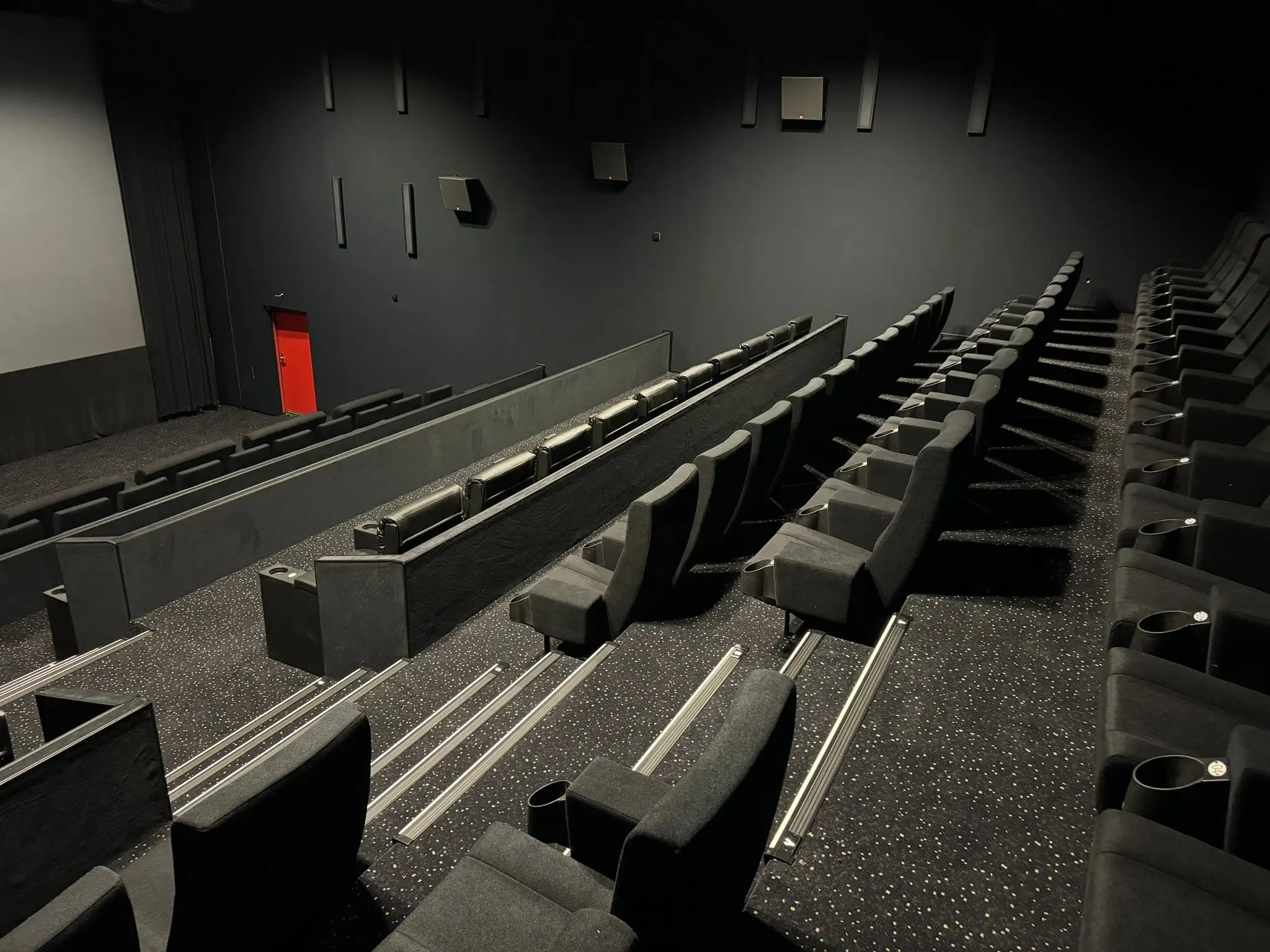
Reliability begins with the internal structure of the seat. Strong metal frames and reinforced connection points are essential to withstand continuous use in high-traffic environments. Cinema seats are used every day, often for long hours, and weak structures can quickly lead to deformation or instability. A well-engineered frame ensures that the seat maintains its form and function even after years of intensive use.
Comfort is another fundamental element. The geometry of the seat must support the natural posture of the body. Backrest angle, seat depth, and foam density all play a role in how comfortable the seat feels during long screenings. High-density molded foam is particularly important, as it retains its shape over time and prevents the seat from collapsing or losing support.
Safety is a non-negotiable requirement in cinema seating. Since cinemas are enclosed public spaces, all materials must comply with fire safety standards. Flame-retardant fabrics and leathers are widely used to slow down the spread of fire and increase safety. These materials are essential not only for regulatory compliance but also for protecting users in emergency situations.
Material quality also affects maintenance and long-term appearance. Upholstery must be resistant to wear, stains, and daily usage. Easy-to-clean surfaces help maintain a clean and professional look, which is crucial in environments with high visitor turnover. High-quality materials ensure that the seats continue to look new even after extensive use.
Mechanism performance is another key factor in cinema seats. Foldable seat systems must operate smoothly and quietly. Noisy or unstable mechanisms can disrupt the viewing experience and create maintenance issues. Reliable systems are designed to function consistently without requiring frequent adjustments or repairs.
Ergonomics and spacing contribute to both comfort and usability. Proper row spacing allows viewers to move easily within the hall while maintaining sufficient personal space. Well-designed seating layouts improve accessibility and enhance the overall perception of the cinema environment.
Durability is closely linked to cost efficiency. While lower-cost seating options may seem attractive initially, they often result in higher maintenance expenses and shorter lifespan. High-quality cinema seats, on the other hand, reduce the need for repairs and replacements, offering better value over time.
Another important aspect is adaptability. Cinema seats should be customizable to fit different hall layouts and project requirements. Variations in seat width, upholstery options, and accessories allow operators to create tailored solutions that match their needs and design preferences.
Acoustic contribution is often overlooked but plays a role in the overall experience. The materials used in cinema seats help control sound absorption within the auditorium. Properly designed seating supports balanced acoustics, ensuring that sound is clear and evenly distributed.
Visual design is also part of the equation. Cinema seats contribute to the overall atmosphere of the hall. Consistent colors, clean finishes, and well-defined forms create a professional and inviting environment. This visual quality reinforces the perception of a high-standard cinema.
From an operational standpoint, easy maintenance is essential. Seats that are simple to clean and designed for quick part replacement reduce downtime and workload. This is especially important in cinemas with tight schedules and high occupancy rates.
Ultimately, cinema seats must perform on multiple levels. They must be comfortable enough to support long viewing sessions, safe enough to meet strict regulations, and durable enough to withstand years of use. When all these factors are combined, the result is a seating system that supports both the audience experience and the operational success of the cinema.
Investing in high-quality cinema seats is not just about immediate comfort. It is about ensuring long-term reliability, reducing operational challenges, and maintaining a consistent standard of quality that keeps audiences coming back.